

How to actually use agents for B2B lead generation
A walkthrough of the agents we run for lead generation, and where they fit.
 Roman J. Georgio
We embed with your team and build a custom system across your channels, from signal-based outbound to Reddit and AI search, on a live digital twin of your market. It finds the right buyers, books meetings and gets sharper with every result.

What our team has built
Case study · goal
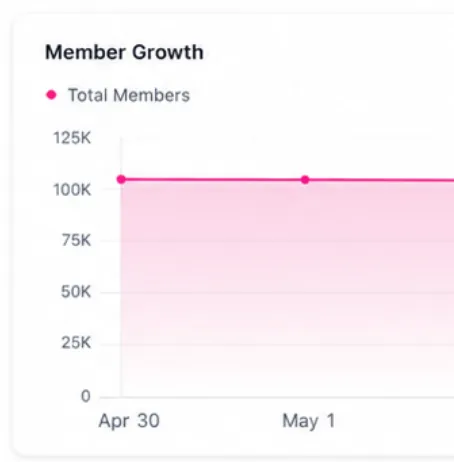
Grew a subreddit from zero to 100K+ members, making it the go-to community in the category.
Case study · goal
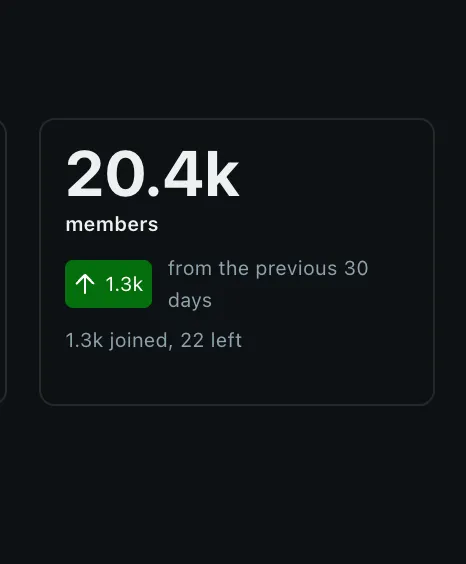
Built a 20K+ engaged following and achieved GEO ranking within the first week of launch.
Case study · goal
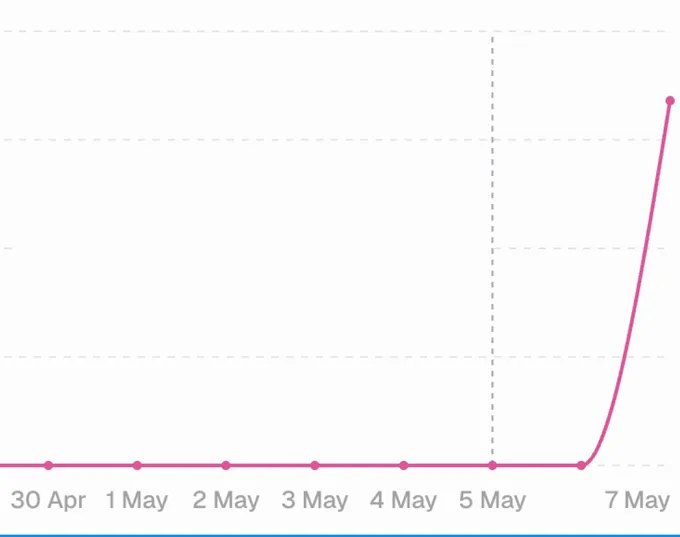
Achieved first-page AI citation placement across ChatGPT, Claude, and Perplexity within one week.
Case study · goal
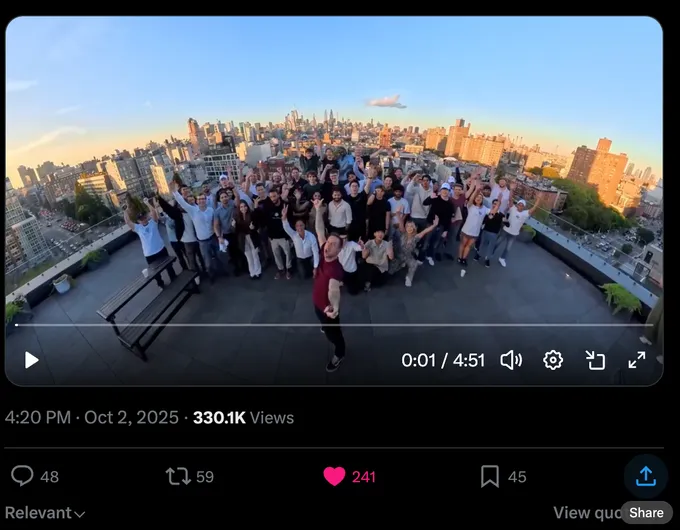
$100K in prizes. NYC Agent Hacker House.



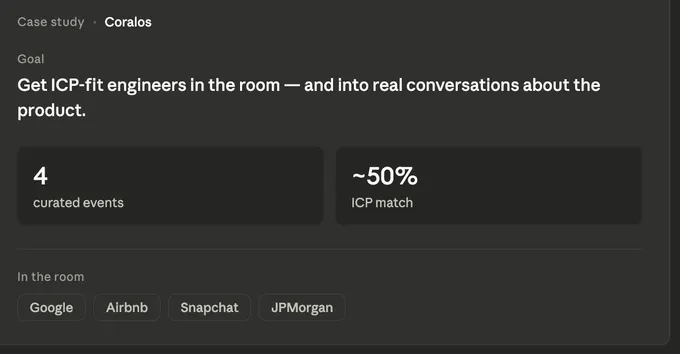
Case study · goal
Senior engineers from top companies in real product conversations.




How it works
Switch on the engine, then scale what works.
01 · Week 1
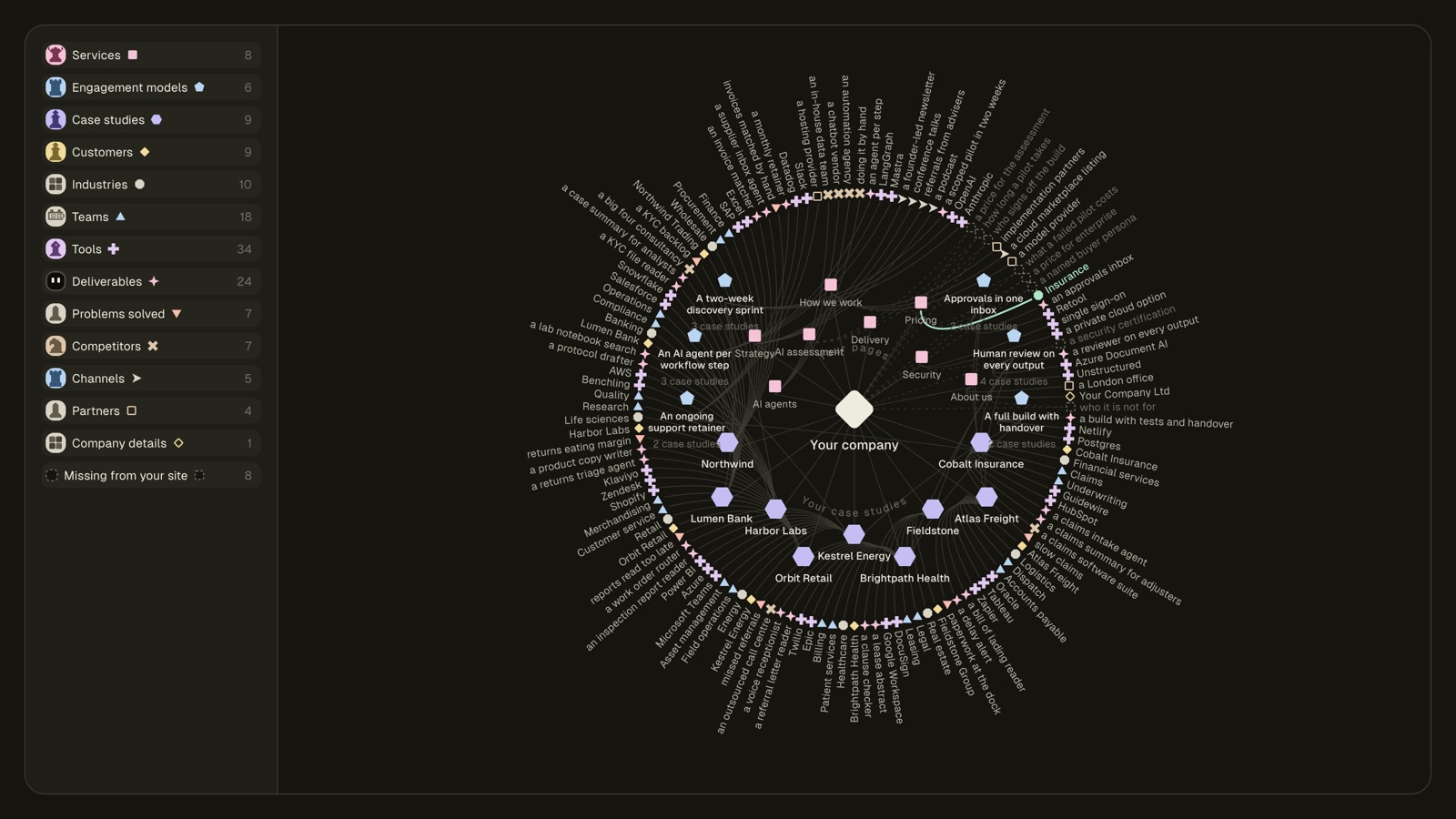
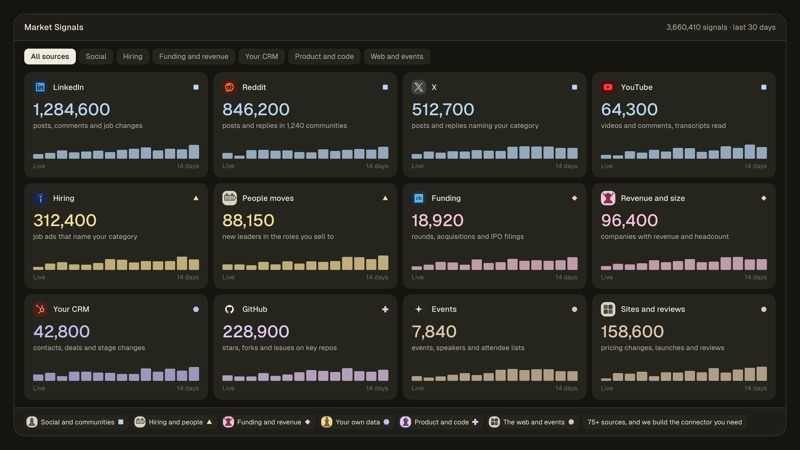
We build a live digital twin of your market: every account, rival, community and channel, and how your buyers move between them. Then we agree the strategy with you, and what counts as a qualified lead.
02 · Weeks 2 to 4
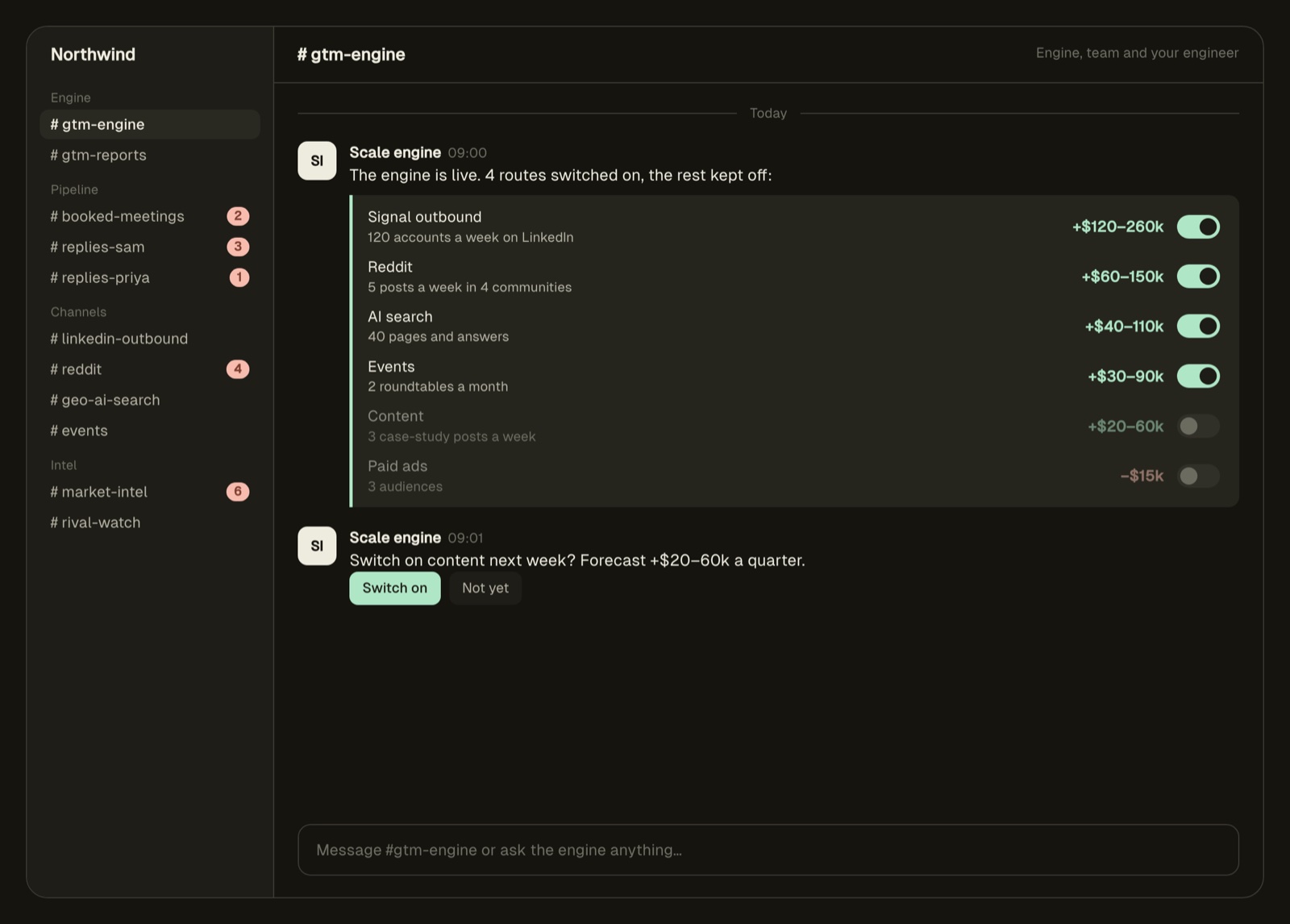
Together we choose the channels we run, from signal-based outbound on LinkedIn to Reddit, content, events and AI search, and build them as one connected system. We set up the agents to your rules and take you live.
03 · From week 4
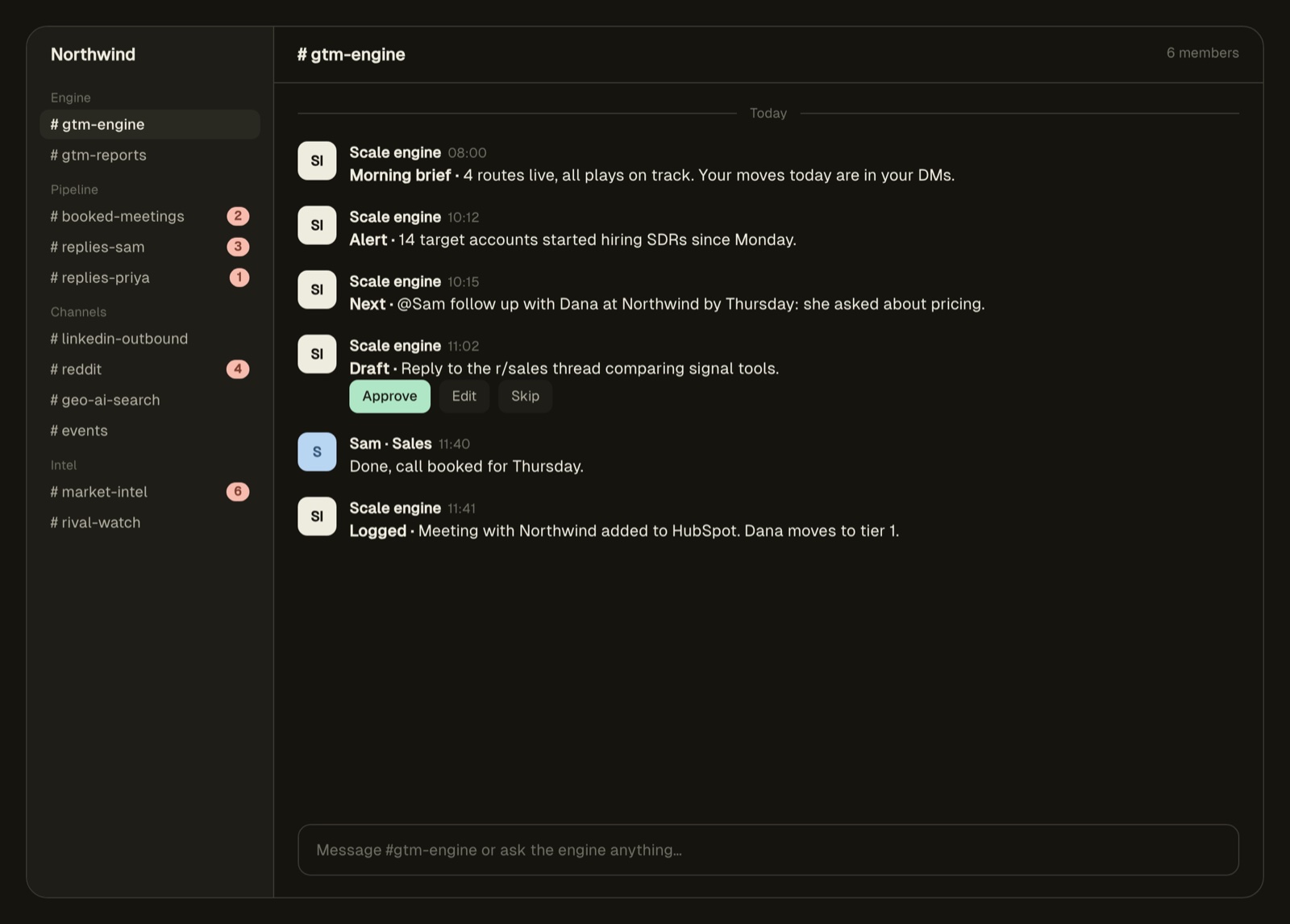
One workspace for your whole team in Slack, Telegram or WhatsApp. It tells everyone what is happening and what to do next, drafts the work for you to approve, and answers any question about your go-to-market.
04 · Weeks 4 to 12
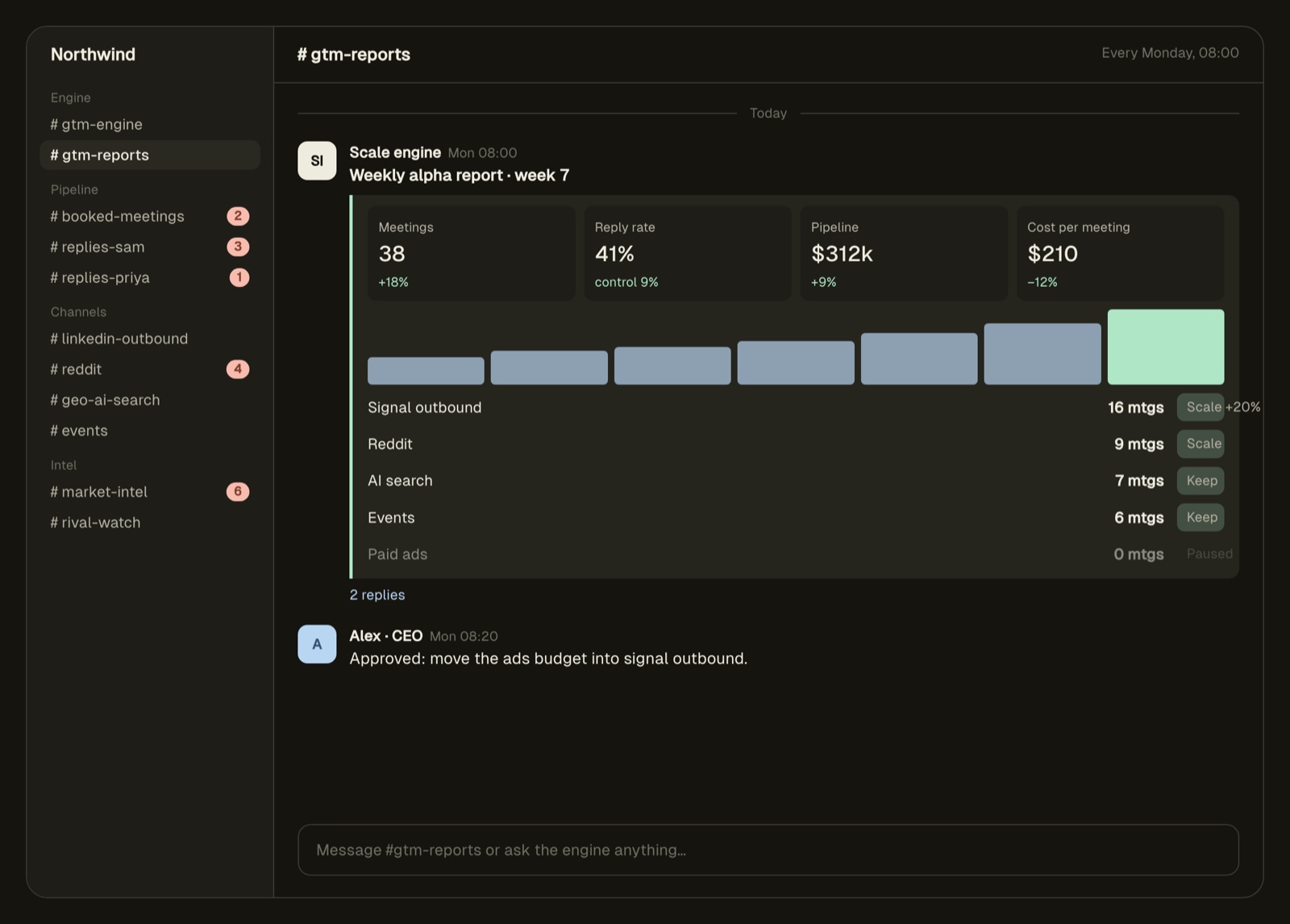
Every week the alpha report shows what worked against a control. We scale what works, stop what does not and add channels when the data says so. At day 90, keep the engine running with us or take it in-house.
Why us
Before anything goes live we agree your ICP, your signals and your bar for a qualified lead. Then every lead lands in your Slack or CRM with the reasons it qualifies.
Market Signals watches your buyers, rivals and your own data. Buyer Intelligence scores every account and finds who to talk to. GTM Alpha ranks the plays and tests each against a control. All on a digital twin built on data we own, and open to your own agents through the MCP.
The same engineers grew a subreddit from zero to 100K+ members, got first-page AI citations within a week, and filled rooms with senior engineers from Google, JPMorgan and Airbnb.
See the case studies →Connectors
Your agents, your CRM, your outreach tools and your team’s chat, all reading from one model of your market. If the connector doesn’t exist yet, our engineers build it.
 Codex
 OpenClaw
 Attio
 beehiiv
Resources

What a GTM engine is, how it differs from a CRM, an agent and a GTM engineer, and the loop it runs on.
Roman J. Georgio
A day at AGI House in San Francisco with OpenAI, Vultr and Tavily. The goal: show what a go-to-market looks like when agents run it, from product to revenue. Workshops in the morning, then a hackathon with OpenAI Codex credits across three tracks.
Roman J. Georgio
Every revenue channel has a period where it is underpriced, underexploited, or not yet saturated. Whoever finds that window first gets an advantage, whoever executes it better turns the advantage into revenue, and whoever systemises it makes the whole thing repeatable. Traders have had a word for this for a long time, and alpha turns out to be the most useful way to think about gtm as well.
Roman J. Georgio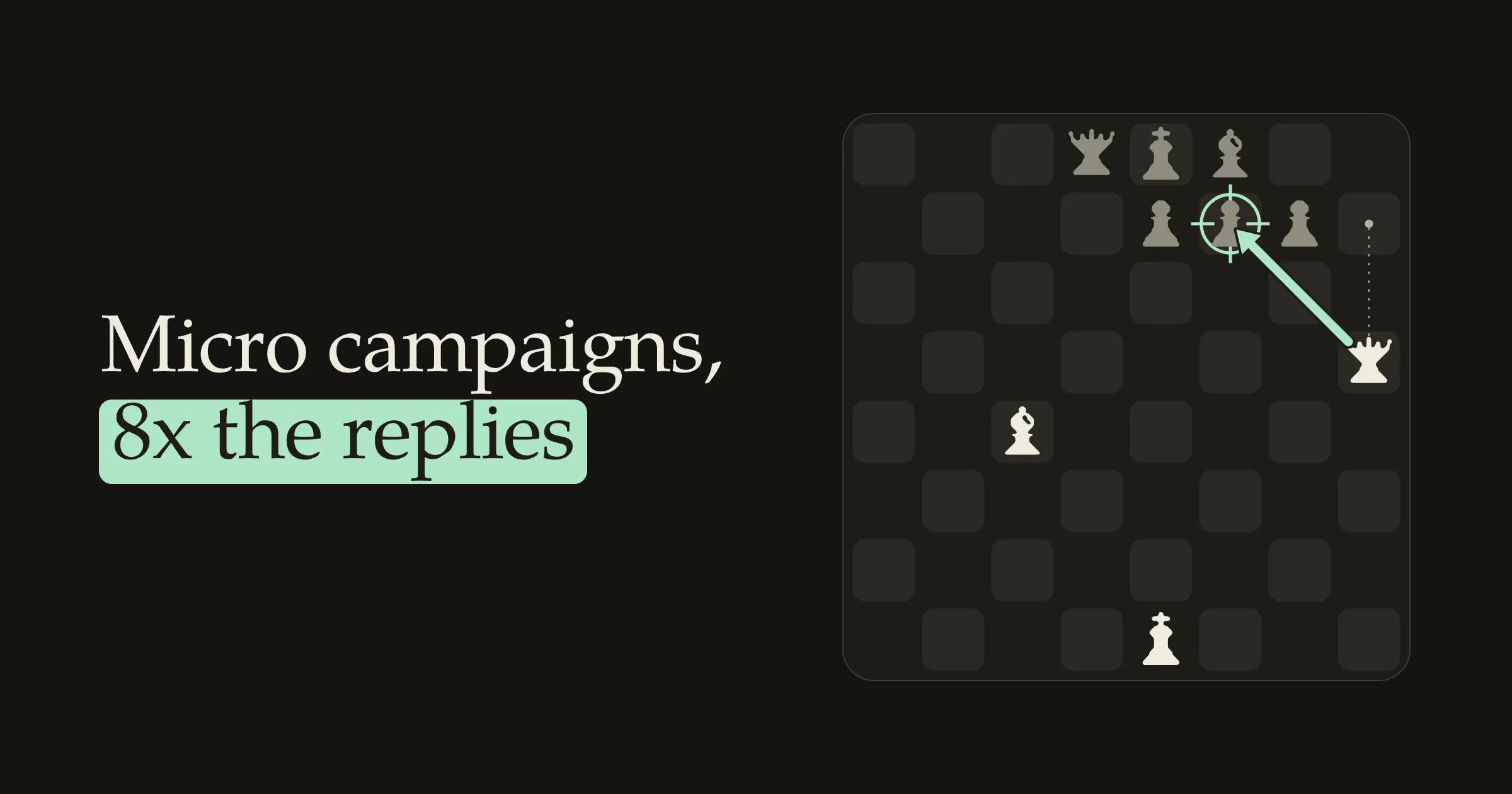
The average LinkedIn outreach campaign gets about 1 reply in 10. Our micro campaigns for a B2B services firm got 7 to 9 in 10. Here's how we build a micro campaign: tens of people, one strong shared signal, a message that names it, and a small offer. Then a setter team turns the replies into booked calls.
Roman J. GeorgioWe look at your market together and show you the moves worth making first, on your own or with our engineers.
FAQ
In the tools your team already uses: Slack, Telegram or WhatsApp for alerts, replies, reports and each person's moves, synced with your CRM. Your team can also ask it questions from Claude.
They join your team, learn how you sell today, and build your engine on the platform: signals, plays, agents and your workspace. Then they run it with you and review the results every week.
No. You agree the strategy and the rules for each tier of accounts, and every draft has approve, edit and skip buttons. Nothing goes out in your name until someone on your team has approved it.
The engine is built in a 90-day sprint: your market mapped in week one, live within the first month, and improved every week after that. At day 90, keep it running with us on a retainer or take it in-house.
You get a working engine, not a list of tactics: a live model of your market, agents that do the work, and every play measured against a control. It keeps learning after setup.