TL;DR
Marketing leaders are experimenting with AI agents but building in silos. The true advantage comes when you have a clear strategy. From AI-assisted persona targeting to competitor signal scanning, these 10 applications show how a unified agent layer transforms B2B marketing performance.
I talk with marketing leaders, heads of Digital Marketing, VPs, CMOs, etc. A common concern: Why does it feel like I'm falling behind?
Teams have started experimenting with B2B agent marketing tools, but are building in silos without a unified goal. If everyone has access to the same tools, then how does AI positively impact B2B Marketing?
The TRUE advantage comes when you have a clear strategy. Before I get into the good stuff. First, let's highlight why this is important:
71%
of B2B marketers say content marketing has grown more important over the past year
64%
of top-performing teams have a documented marketing strategy vs 19% of underperformers
5x
more engagement on LinkedIn for brands using video vs text-only content
01. AI-Assisted Persona Targeting
Manual persona targeting is set once and reviewed annually. By the time you revisit it, the market has shifted. AI agents monitor engagement signals continuously. Static ICP tracking is not strategic; this is what everyone is doing.
02. Intent Monitoring via Command Centre
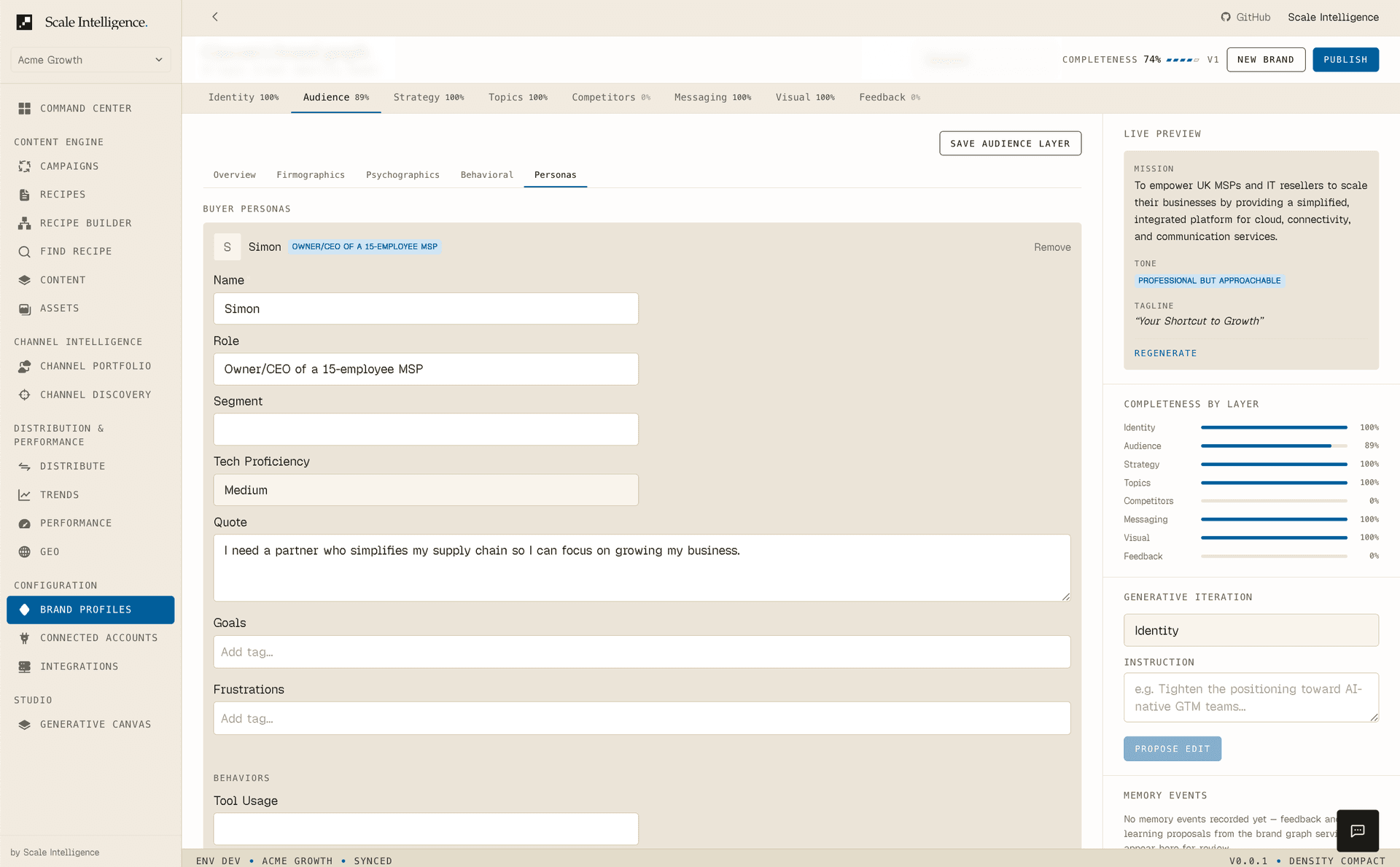
Most B2B marketing teams don't have a live view of where high-intent prospects are active right now. A command centre that visualises touchpoints and scores intent against your ICP's KPIs changes that entirely. What we see working is aggregating signals across LinkedIn, AI search engines, CRM tools, and content channels, then scoring accounts by intent level and surfacing the highest-priority ones to your team in a single dashboard view.
03. Content Optimisation for AI Search Citation
When a senior buyer searches for a solution in your category, the LLM only cites brands that consciously format authoritative content that AI engines recognise. Identify content gaps and continuously enhance distribution to increase citation frequency over time.
04. ICP Event Strategy
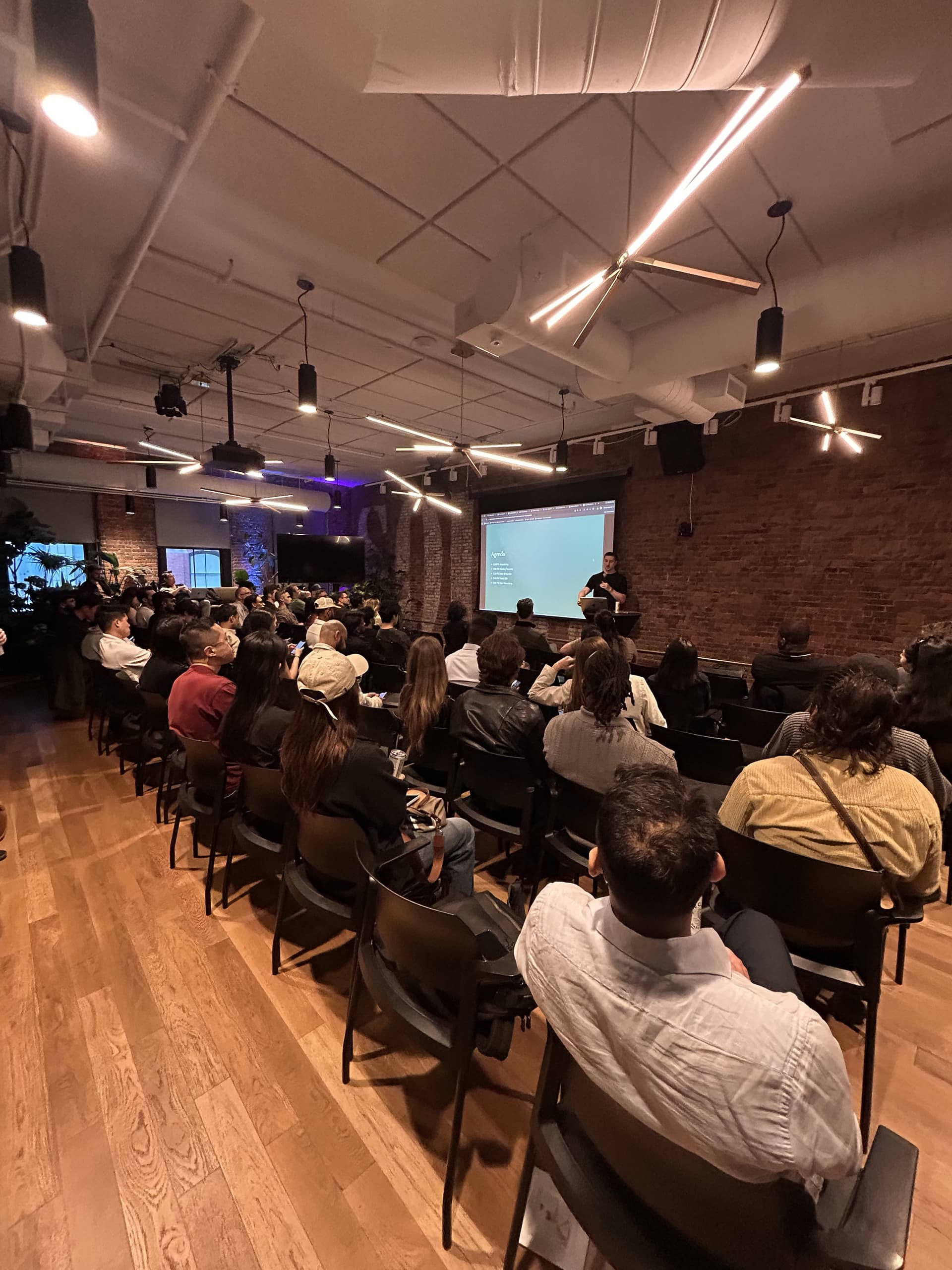
The smartest play when running B2B events is to actively target your ideal customer profile before the event through LinkedIn content, community presence, and direct outreach informed by intent data. Identify and prioritise ICP-matched prospects showing engagement signals ahead of event windows, and coordinate LinkedIn content and outreach sequences to drive the right attendees to register.
05. Lookalike Audience Automation
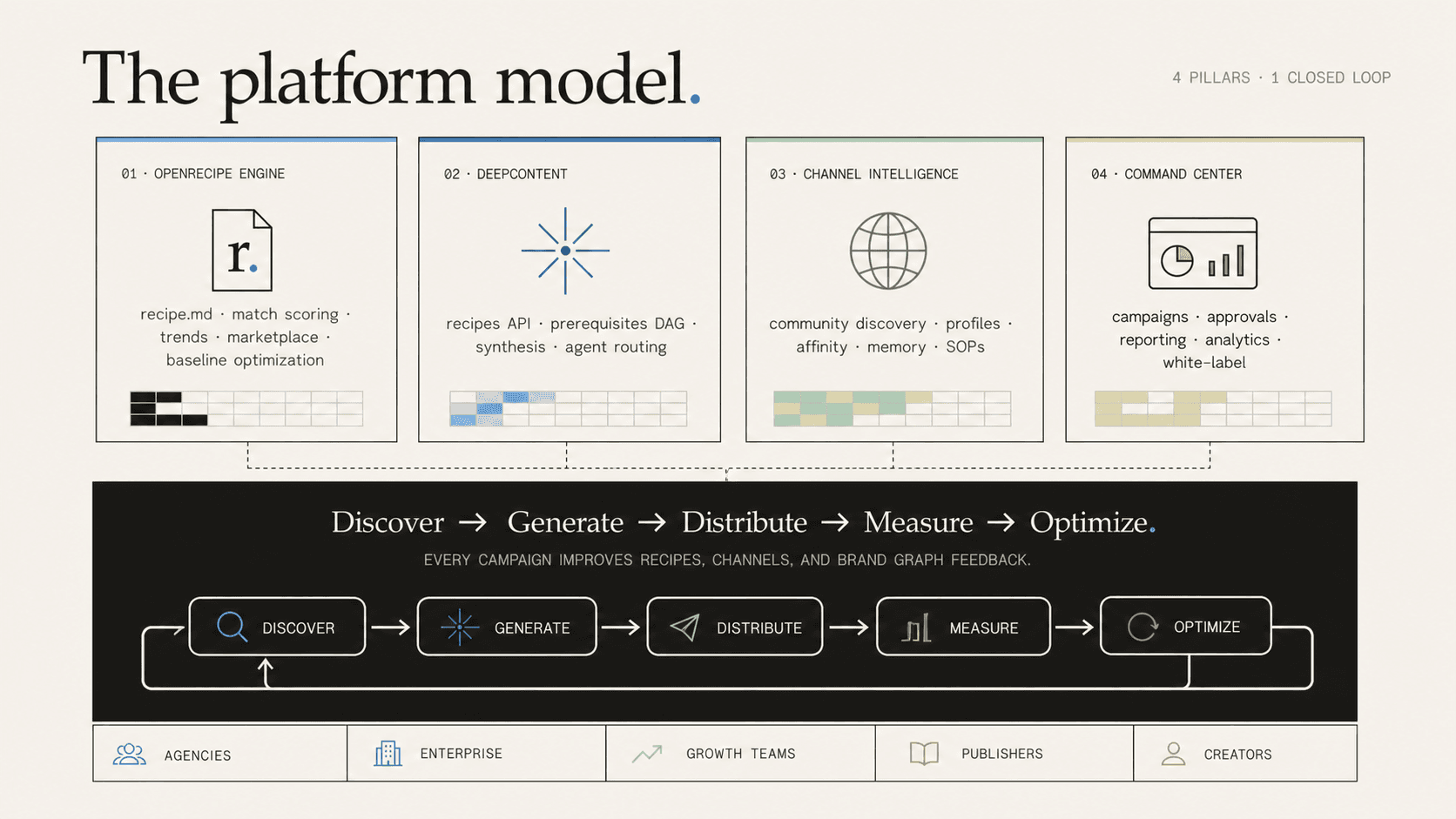
LinkedIn now offers Predictive Audiences, which include AI to model an audience of people most likely to convert, but there is still one problem with this: the system is siloed, amnesic and won't learn what works and what doesn't. That is the gap Scale Intelligence's agent layer closes. By connecting intent signals across LinkedIn, AI search engines, your CRM, and content performance into a single intelligence layer, the system learns continuously.
06. Community Building as a B2B Channel
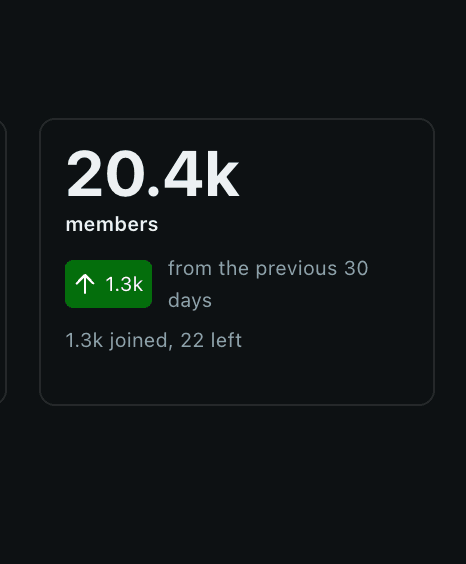
Community is one of the most underused B2B channels because it requires sustained effort over time — the exact kind of work AI agents are designed to support. A well-positioned community gives you a captive audience of people who already trust your brand. I am often asked what is better: a large community packed with a variety of skills and perspectives or a tightly curated "Gentlemen's Club"? The TRUTH is that both are signal-rich environments where intent data flows naturally.
A 100,000-member developer community and a 50-person invite-only CMO group are both valuable; they tell you different things. Scale tells you what content lands at volume. Intimacy tells you what your best buyers are actually thinking.
07. Always-On Content Distribution
AI agents maintain posting cadence across formats, repurpose existing assets for different channels, and test content variations without adding to your team's workload. The 3-2-1 content model: three industry pieces, two community pieces, one brand piece per week. What works is repurposing high-performing content across channels based on what your target audience is already engaging with on LinkedIn.
08. Website Retargeting With Real-Time Escalation
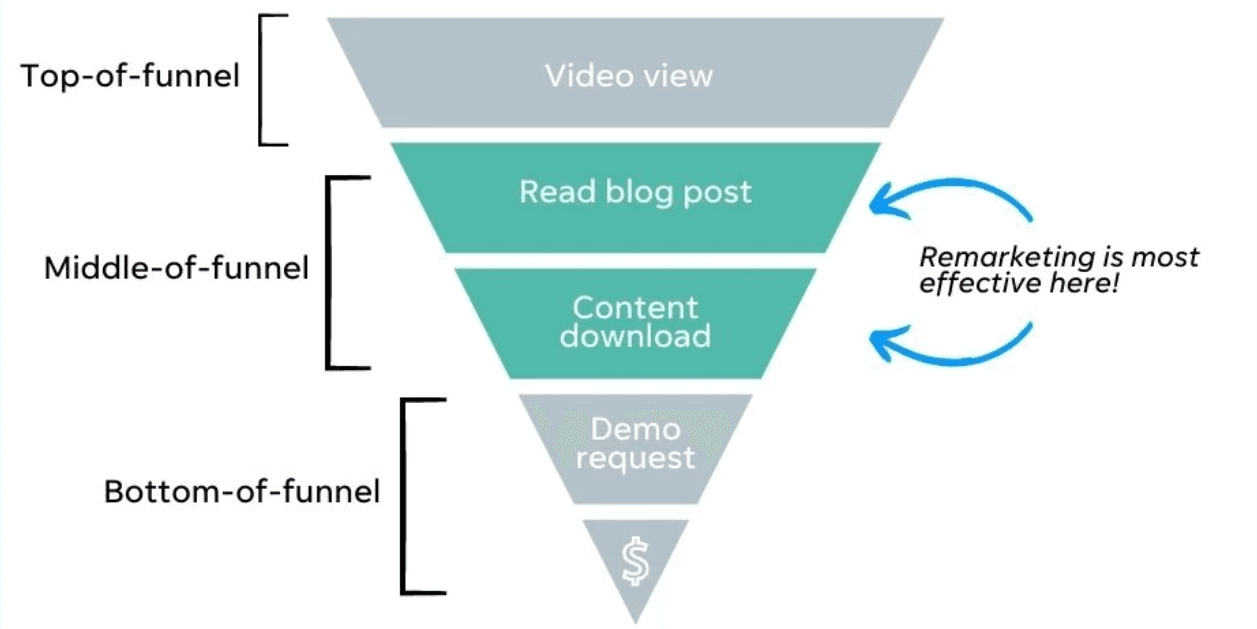
AI agents can monitor retargeting pools in real time and escalate accounts that cross an intent threshold, ensuring that M-O-T-F (Middle Of The Funnel) engagement remains HIGH. Utilising first-party data, it targets users who have visited your website, engaged with your LinkedIn Company Page, or interacted with specific ads. This narrows ad spend to high-intent audiences, vastly improving conversion rates.
09. CRM & List Enrichment for Account-Based Targeting
CRM data goes stale, and sales teams notoriously archive information within external platforms. Job changes, company growth, and new budget cycles aren't being reported within what's meant to be the "single source of truth", and all of a sudden the "One Platform" methodology goes out the window. AI agents enrich and re-score your lists repeatedly based on live signals, so the accounts your team prioritises are always current.
10. Competitor and Marketing Signal Scanning
Understanding what your competitors are doing on LinkedIn, which content formats are landing, which audiences they are targeting, and which gaps they are leaving open. Typically, marketing is very reactive: X happens, do Y; this is due to the manual nature and instinct of a senior marketing leader. AI agents scan competitor activity, surface emerging trends in your category, and identify the white space your brand can move into before it becomes contested territory.
"Treat AI agents as junior marketers who need direction, not as replacements. With proper guidance, they become valuable assistants that free your senior team to operate at a higher level."
Alexandros Papantoniou, Marketing Consultant
Talk to a GTM engineer
Bring your market and we'll show you the accounts heating up in it right now, and what an engine built around them looks like for your team.
Book a call